Reviews
Intermezzo: Art as medicine
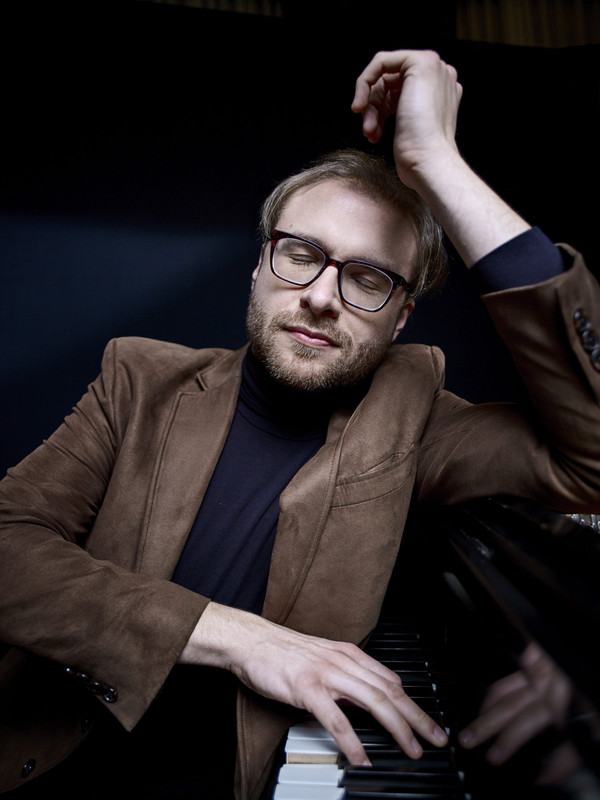 Pianist Adam Golka will be featured as the Monterey Symphony opens its 79th season this weekend with a celebration of the 100th Anniversary of Gershwin's “Rhapsody in Blue.”
The arts are not a luxury. They are essential. Such is my view, not because I write a performing arts column, but because throughout my life I have observed this to be true. The arts can renew and inspire. They ignite imagination and creativity and offer respite for the weary. They expand our understanding of who we are, who we have been and who we may become. Without them, I think we lose something of our humanity and our connection with one another. The arts may not be a universal medicine for wholeness, but they come close and we need them most during times of change and upheaval.
I a speech on this theme, filmmaker Richard Attenborough once noted that a crucial difference between us and our mammalian forbears must lie in what we call soul and creativity: "From the very earliest of times," he said, "the arts have been an instinctive essential of our humanity. They are a miraculous sleight of hand which reveals the truth and a glorious passport to greater understanding between the peoples of the world. The arts not only enrich our lives, but also grant us the opportunity to challenge accepted practices and assumptions. They give us a means of protest against that which we believe to be unjust; a voice to condemn the brute and the bully; a brief to advocate the cause of human dignity and self-respect … They are as crucial to our well-being, to our very existence, as eating and breathing."
In July of 2005, the Carmel Bach Festival's concertmaster Elizabeth Wallfisch, from the UK, joined me to discuss the music planned for that summer. She was deeply distraught by deadly terrorist bombs that had just been detonated in three busy London subways and one bus during the morning rush hour. It was the largest attack on Great Britain since World forWorld War II. When our conversation turned to music, she expressed her gratitude for the Bach Festival as a way back to herself, to equilibrium, after the tragedy in her home city. We discussed the importance of art during dark times, and she told me about her mother-in-law who survived the Holocaust because she could play the cello. The impact of that conversation stays with me as a reminder of why we need the arts. And why they're especially necessary in times of unrest, confusion and anguish, like medicine is for a troubled body. You may understand why I'm moved to write these words at this moment.
The Monterey Symphony opens its 79th season this weekend with a celebration of the 100th Anniversary of Gershwin's "Rhapsody in Blue." Music director and conductor Jayce Ogren leads the orchestra in a concert showcasing rising-star pianist Adam Golka inthe the Gershwin masterpiece, which is paired with Symphony No. 9, From the New World, Antonin Dvorák's much-loved tribute to America. Aaron Copland's "Fanfare for the Common Man" and Joan Tower's "Fanfare for the Uncommon Woman" add more zest to the the program. Concerts take place Saturday at 7:30 p.m. and Sunday at 3 p.m. at Carmel's Sunset Center. Special delights await ticket holders for both performances. For details, tickets and information see www.montereysymphony.org or call (831) 646-8511.